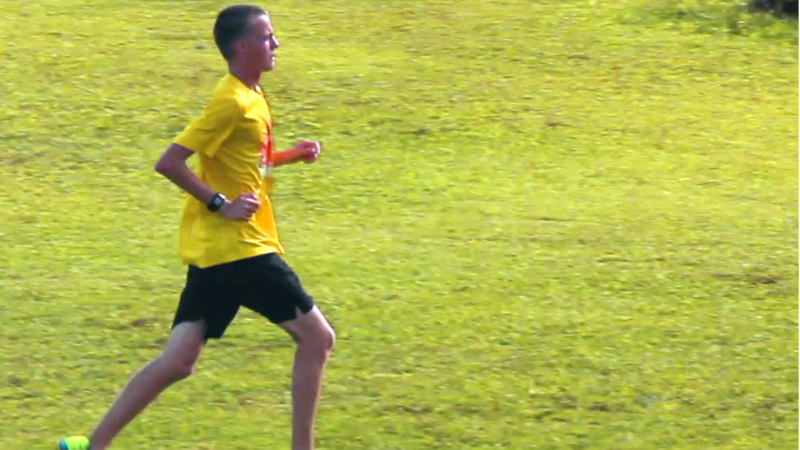
This is a special, first ever all-Kauai edition of HIKI NŌ, hosted by Island School in Lihue, Kapaa Middle School in Kapaa, Chiefess Kamakahelei Middle School in Lihue, Kapaa High School in Kapaa, Kauai High School in Lihue and Waimea High School in Waimea.
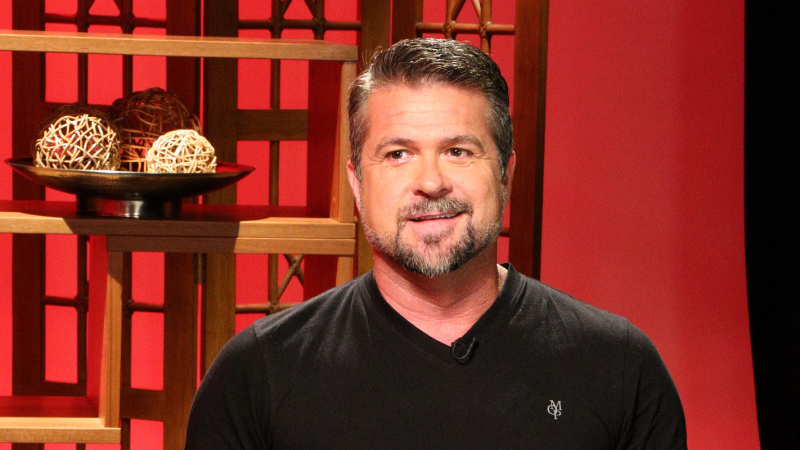
As a young boy growing up in Lafayette, Louisiana, Victor Marx was beaten, electrocuted, and tortured by his stepfather. By the time he graduated from high school, he was “using drugs, fighting and stealing.

People who suffer from mental illness in Hawai‘i often have difficulty being diagnosed and finding and accepting treatment. Some end up on the streets, exacerbating an already booming homeless population. And Hawai‘i’s only state mental hospital is overcrowded, with some employees saying it’s unsafe for patients and staff.
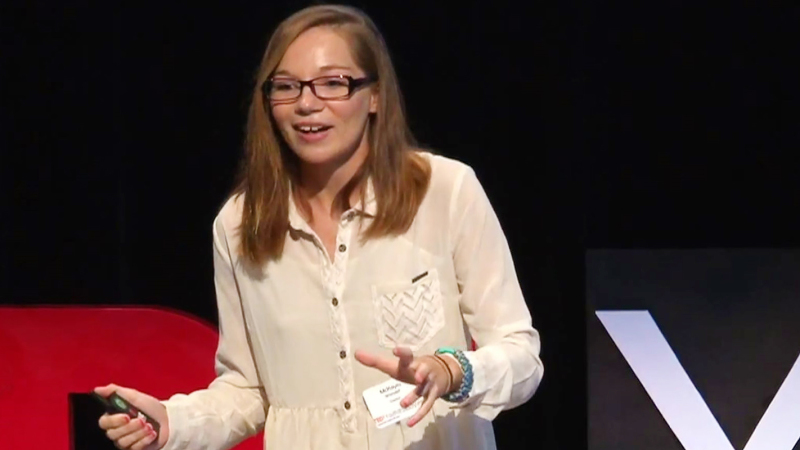
This look back at some of the outstanding HIKI NŌ stories from the winter quarter of the 2014/2015 school year is hosted by two former HIKI NŌ interns, Akane Kashiwazaki and Terrence Nahina, now students at the University of Hawaii Academy for Creative Media.

An estimated 12,000 people have come to Hawai‘i in search of a better life, primarily from the Marshall Islands and Chuuk, which were affected by U.S. nuclear tests. Many find themselves on government aid or living in homeless encampments on Oahu. How can people displaced by U.S.
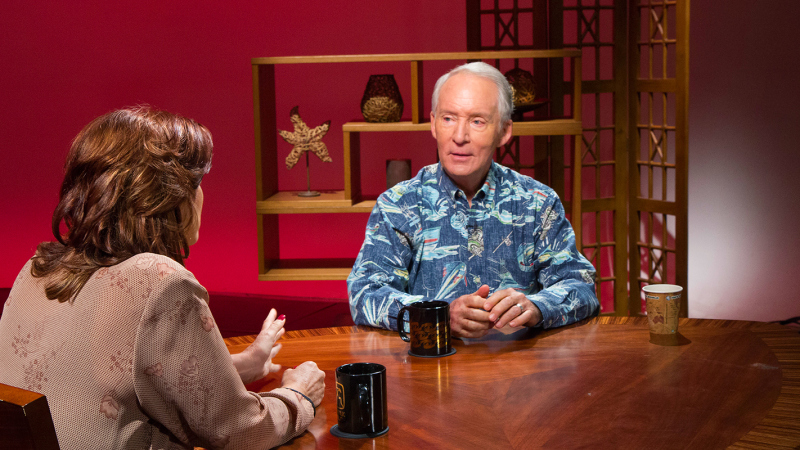
When Mitch DʻOlier arrived in Hawaii from Iowa, fresh out of law school, he fell in love with the islands. Since then, he has helmed Hawaiian Airlines, helped guide the development of Kakaako and Kailua, and has found time to support public education in Hawaii.
Last year, the Federal Department of Education praised Hawai‘i’s public school system for improving teacher training programs and providing better resources for struggling schools. But many public schools still face challenges, such as a shortage of teachers and, in some schools, a low graduation rate.
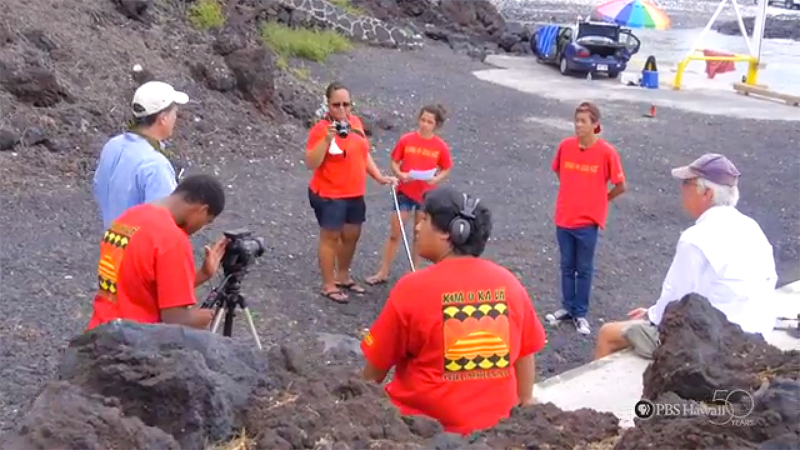
This half-hour documentary by filmmaker Stuart Yamane examines a new phase in the evolution of the nation’s first statewide student news network.

In 1993, President Bill Clinton signed a law apologizing for the overthrow of the Hawaiian Kingdom, fueling hopes that an independent Hawaiian nation would be recognized by the federal government. Twenty-two years later, sovereignty proponents continue to push for recognition in Congress, while new pathways toward nation-building emerge at home.
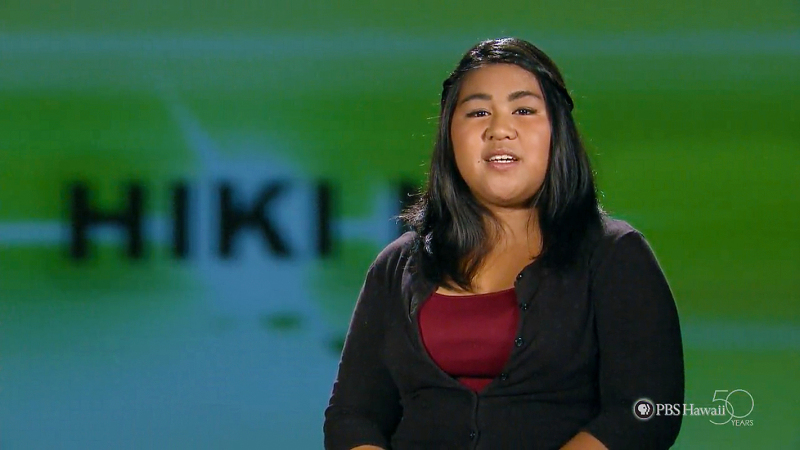
This special edition of HIKI NŌ highlights is hosted by HIKI NŌ grad Victoria Cuba and features some of the outstanding stories from the Spring Quarter of the 2014/2015 school year: From Waipahu High School on Oahu: a follow-up story on Victoria Cuba.
5049 results found (showing 4401 - 4410)