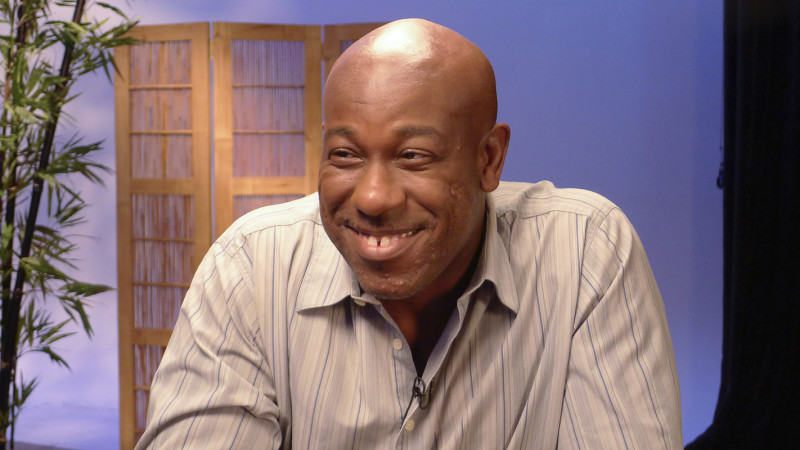
This week on Long Story Short, Leslie Wilcox talks story with Sean Priester, executive chef and owner of Soul Café in Kaimuki. From his childhood in a military family, Sean learned to respect the communities where life and duty led them. With this mindset, paired with his culinary talent, Sean launched Soul Café, where he demonstrates how food can nurture community and supports others in overcoming personal adversity.
Among his volunteer work is a partnership with Next Step Shelter, where he prepares food for the homeless. Sean also opens up about his past internal struggles, which manifested as drug and alcohol addiction, beginning in his college years at North Carolina State. Fifteen years later, Sean talks about overcoming his vices and fears, and helping others do the same through the power of food.
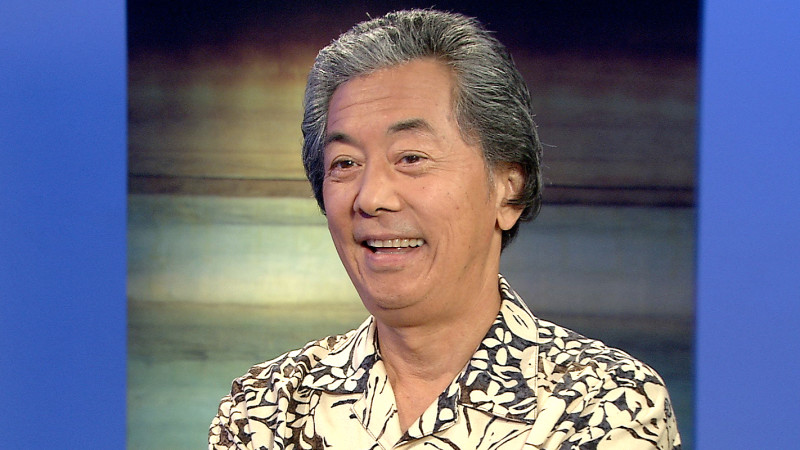
it’s no secret that Roy Sakuma dropped out of high school. And, as the story goes, he went to work for the City Parks Department and came up with the idea for an ukulele festival while cleaning restrooms at the Kapi‘olani Park Bandstand. In this Part 2 program, Sakuma reveals for the first time publicly, that he was raised in a home with serious, untreated mental illness.
Sakuma tells about his family and his school days. And how he became a teacher.
Roy Sakuma is a name that belongs to an ukulele studio, an ukulele festival, summer zoo concerts, an award-winning record label, Hawaii’s foremost ukulele teacher and a man who’s lived his entire life hiding a family secret.
Sakuma tells about his family and his school days. And how he became a teacher.
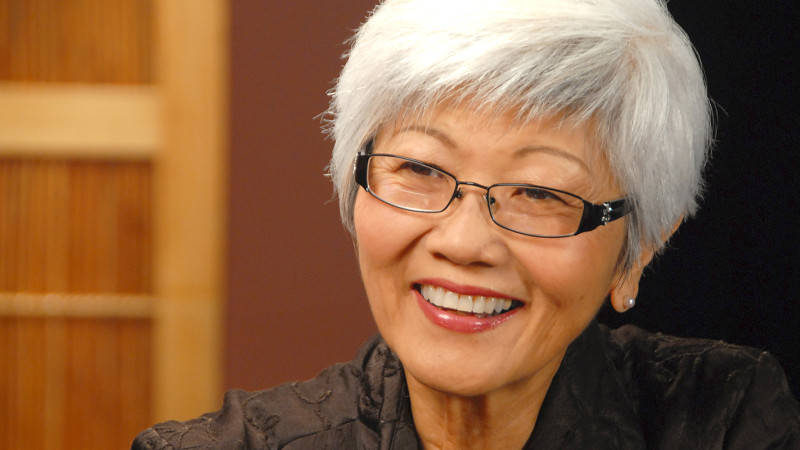
Leslie Wilcox talks story with Juliet Lee, a Hilo-born poet and novelist who is perhaps better known by her pen name, Juliet S. Kono. Juliet takes Leslie back in time through vivid memories of modest living, teenage rebellion and family hardships. When Juliet was barely three years old, she and her family were swept up in the 1946 Hilo tsunami - a turning point for Juliet's family and inspiration for her future work. Juliet has garnered several honors for her writing, including the Elliot Cades Award for Literature, the American Japanese National Literary Award and the Hawaii Award for Literature. Her latest novel, Anshu: Dark Sorrow, is set in Hawaii and Japan.
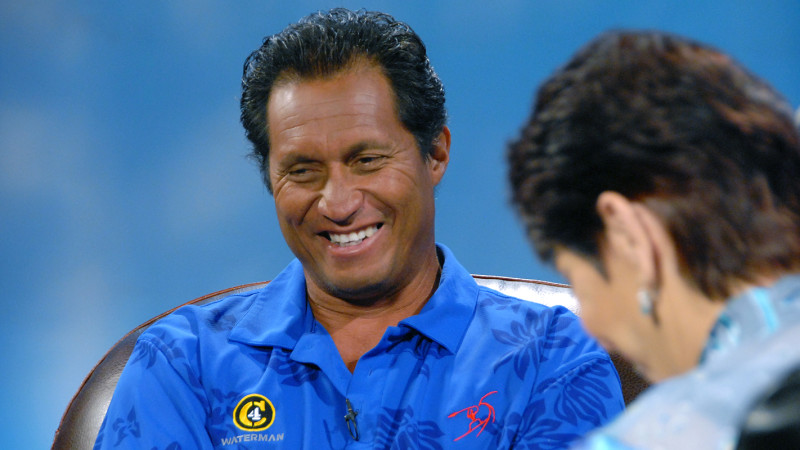
The Keaulana ‘ohana of Makaha is a family of watermen and women who’ve grown up in and around the ocean. Brian Keaulana is following in the wake of his dad “Buffalo” as a living legend. Brian is carving out an international reputation as a big wave rider, Hollywood stunt man, ocean risk management expert, inventor and businessman.
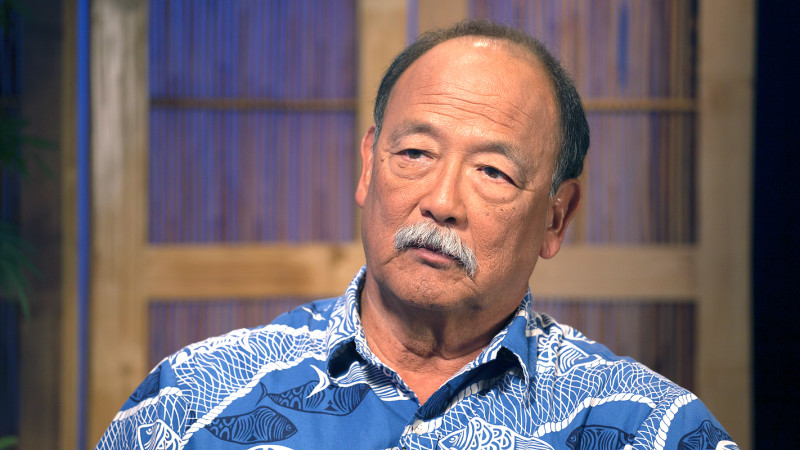
Leslie Wilcox talks with Ralph Goto, administrator of the City and County of Honolulu's Ocean Safety and Lifeguard Services Division. Over the past 30 years, he has helped to bring professionalism and respect to an occupation once viewed as being only for beach boys and surfers. Ralph is recognized in the International Swimming Hall of Fame for his contributions to the field of water safety.
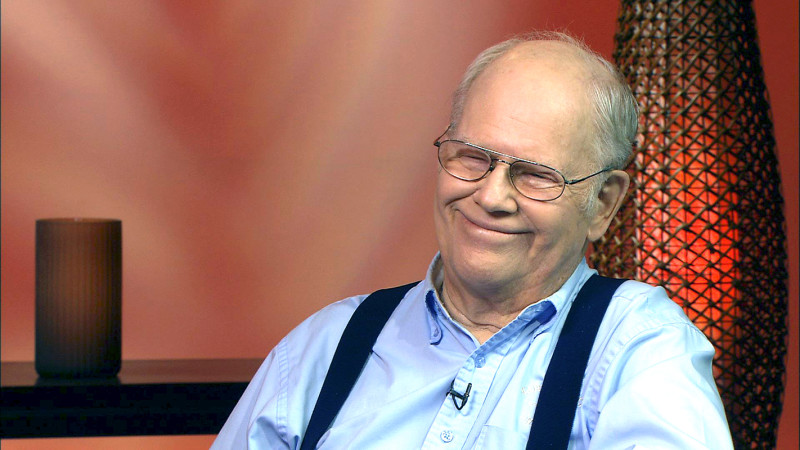
Leslie Wilcox talks story with Monty Richards, fifth-generation family member of a ranching dynasty and former President/General Manager of Kahua Ranch on Hawaii island. Known for his pioneering efforts in high intensity rapid rotational grazing techniques and diversified operations like hydroponic farming, Richards is also recognized as a lifetime community volunteer.
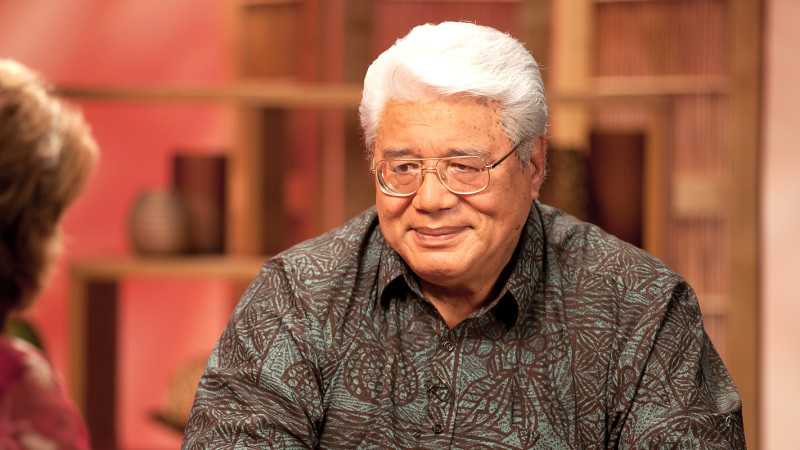
Leslie Wilcox talks with Dr. Tusi Avegalio, Director of the Pacific Business Center Program at the University of Hawaii at Manoa. A twist of fate brought him from American Samoa to a Kansas teachers college. Dr. Tusi, as he's known on campus at UH Manoa, went on to earn degrees in education and social science. At the Pacific Business Center, Dr. Tusi helps organizations bridge traditional Pacific Islander values and western thought.
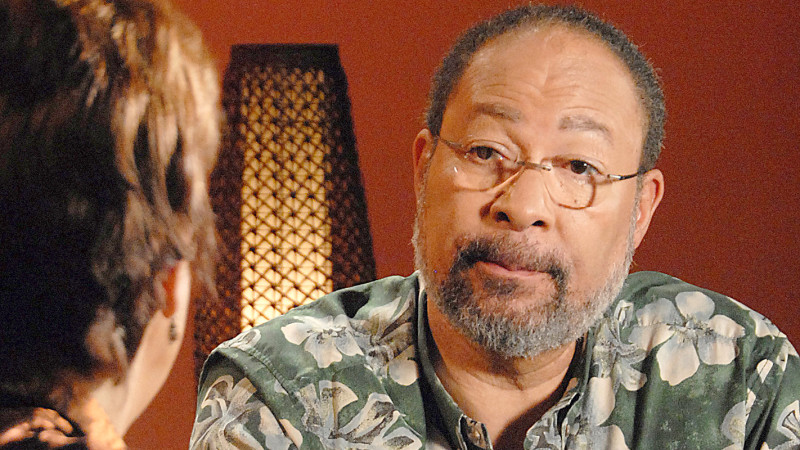
Join Leslie Wilcox for Part 2 of a conversation with UH Manoa alumnus, former CEO of Time Warner and current Chairman of CitiGroup Richard Parsons.
Join Leslie Wilcox for a conversation with UH Manoa alumnus, former CEO of Time Warner and current Chairman of CitiGroup Richard Parsons. In the first of two parts, Parsons reveals the secrets behind his unique ability to lead companies and their employees through crisis. He also talks about being a brash, young African American from New York adjusting to college life in 1960s Honolulu.
5023 results found (showing 4511 - 4520)