
Should Hawaiʻi Increase Regulations on Vaping? More State lawmakers are viewing electronic cigarettes as a threat to public health, especially among youth and young adults.
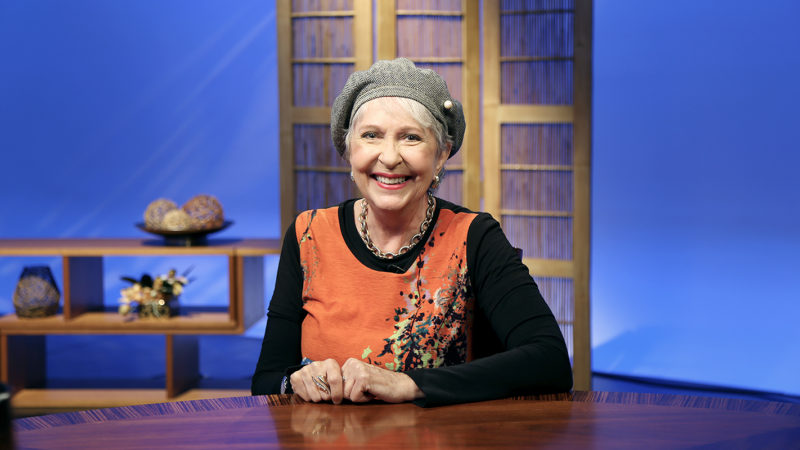
For more than 30 years, Pam Chambers has built a reputation as “Hawaiʻi’s presentation coach.” Yet this former wallflower says nobody who knew her in her youth would have predicted it. She reveals how a turning point in her career helped her blossom as a public speaker.
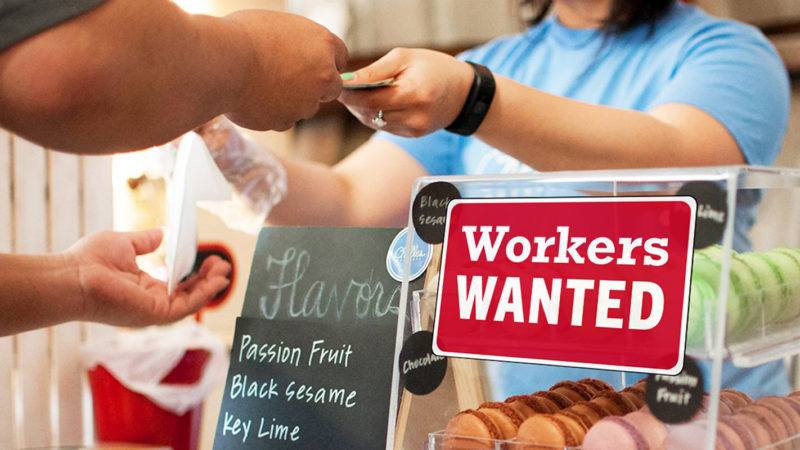
Hawaiʻi continues to report one of the lowest monthly unemployment rates in the country – a little more than 2%. Many open positions in the market means that job seekers can be picky, especially in the retail and hospitality sectors.
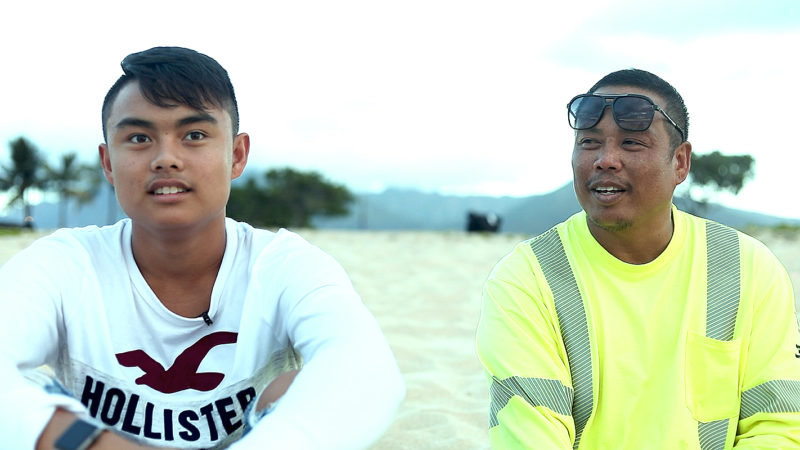
This special edition features stories created by HIKI NŌ students that were submitted to the national Student Television Network (STN) competition in the News Feature category.
Oceanit’s President and CEO Patrick Sullivan has been a problem solver from an early age. He created enterprising ways as a teen to support his pursuit of higher education. Learn how his hard work and resourceful nature helped pave the way for his successes in life, and how he has made a career out of problem solving with his Honolulu-based company.
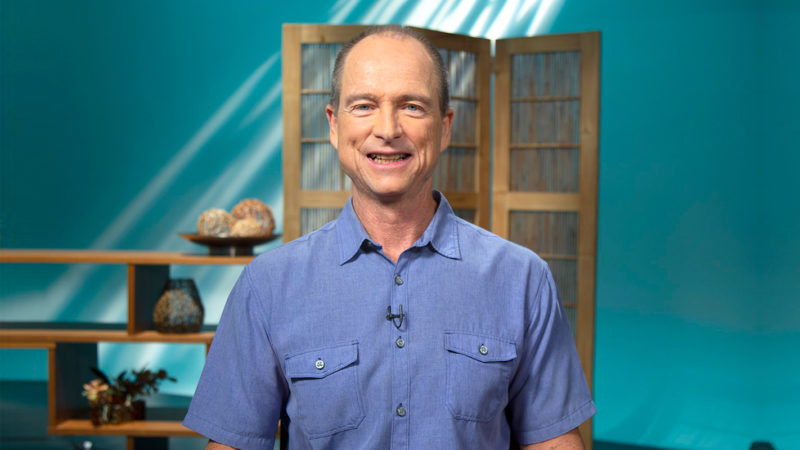
Patrick Sullivan has been a problem solver from an early age; creating enterprising ways as a teen to support his pursuit of higher education. Learn how his hard work and resourceful nature helped pave the way for his successes in life, and how he has made a career out of problem solving with his Honolulu-based company Oceanit.
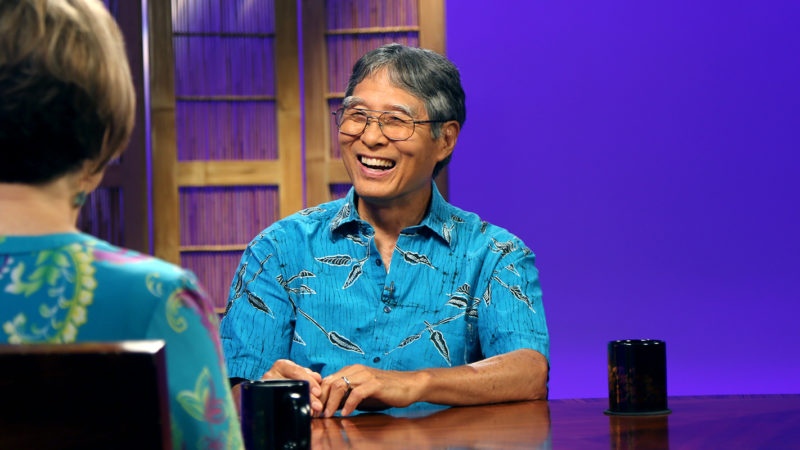
George Kon of Honolulu has been showing Hawaiʻi teenagers how to rehearse for life for nearly 35 years. Kon co-founded and continues to lead the T-Shirt Theatre, a performance group based out of Farrington High School in Kalihi, Oʻahu. The theatre uses what he calls a “low-tech, high-zest” approach, forgoing elaborate sets and costuming, and relying on honest, sometimes raw, performances by the students.

This is the third of four specials in which outstanding HIKI NŌ graduates from the Class of 2019 (and one student from the Class of 2020) gathered at PBS Hawaiʻi to discuss their HIKI NŌ experiences and how they feel the skills they learned from HIKI NŌ will help them in college, the workplace […]
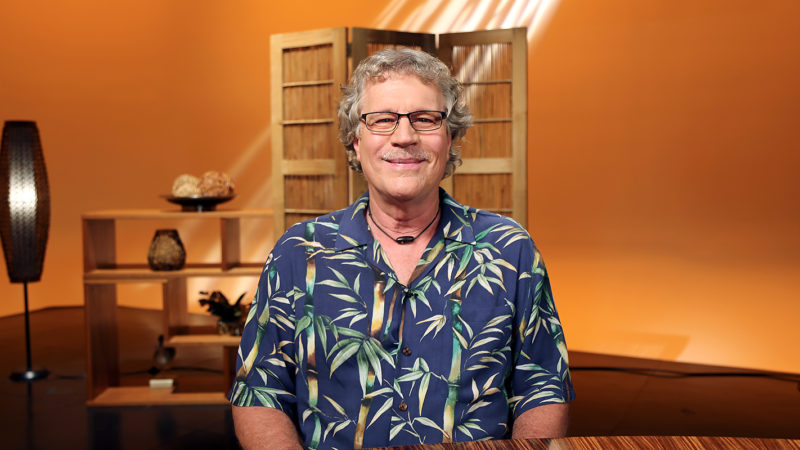
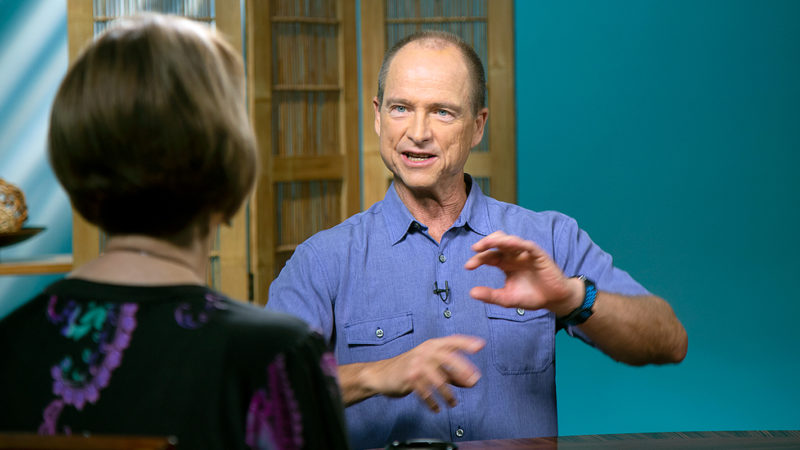
In the pursuit of happiness, Tom Vendetti, a Maui-based psychologist and filmmaker turned a series of unexpected life twists into two intertwined careers. He shares how his unlikely journey unfolded.
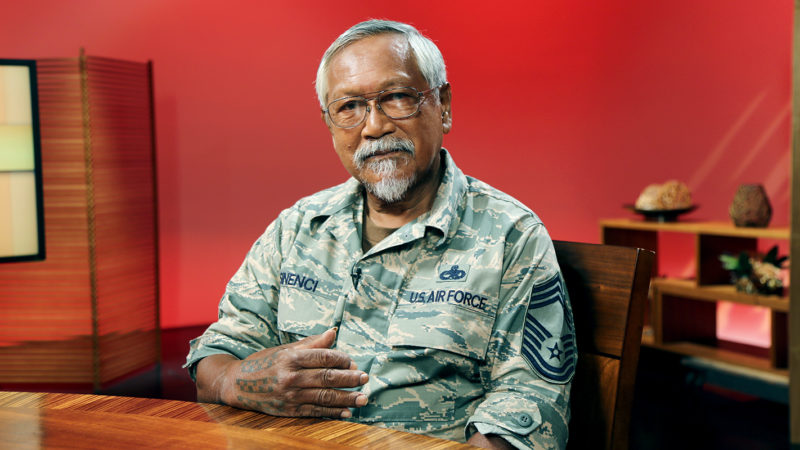
Home is where the heart is, and for Francis “Palani” Sinenci of Hāna, Maui, this statement holds true. He left the islands to spend over 20 years in the military, and then returned home inspired to reconnect with his Hawaiian roots. He later became a master builder of traditional Native Hawaiian houses.
1585 results found (showing 911 - 920)