
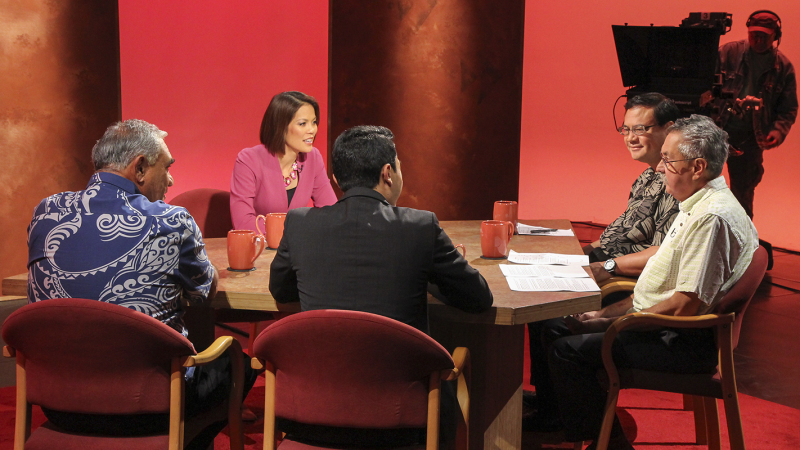
The Department of Hawaiian Home Lands has long been criticized for mismanagement, especially in delays and inconsistencies in its mission of providing homestead land to eligible native Hawaiians.
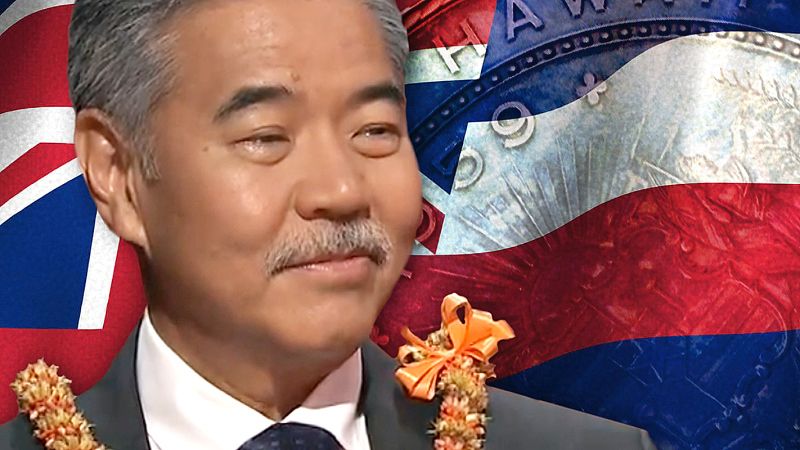
It’s been 90 days since Gov. David Ige took office. Has the former state lawmaker laid groundwork for consensus-building? And how will he weather the storm created by his choice of Carleton Ching to lead the Department of Land and Natural Resources? Daryl Huff moderates the discussion.
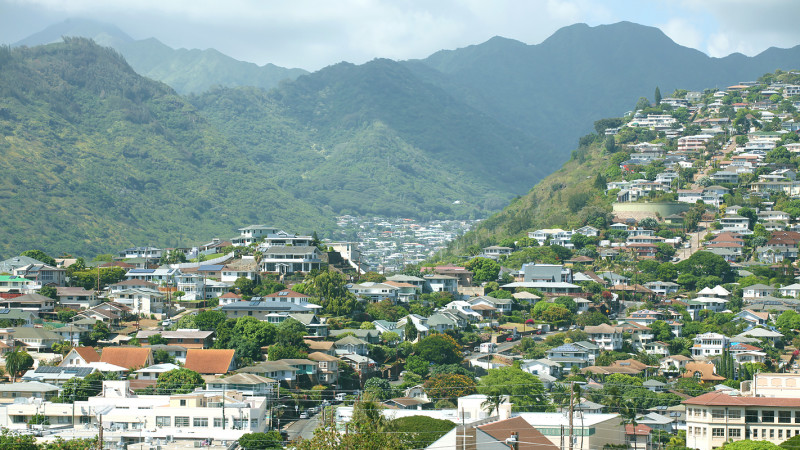
In January, the median price of a single-family home on Oahu reached an all-time high of $733,500, and sales increased by double digits. Prices are spiking on Maui and Kaua‘i, too, leaving many would-be homebuyers wondering if they’ll soon be priced out.
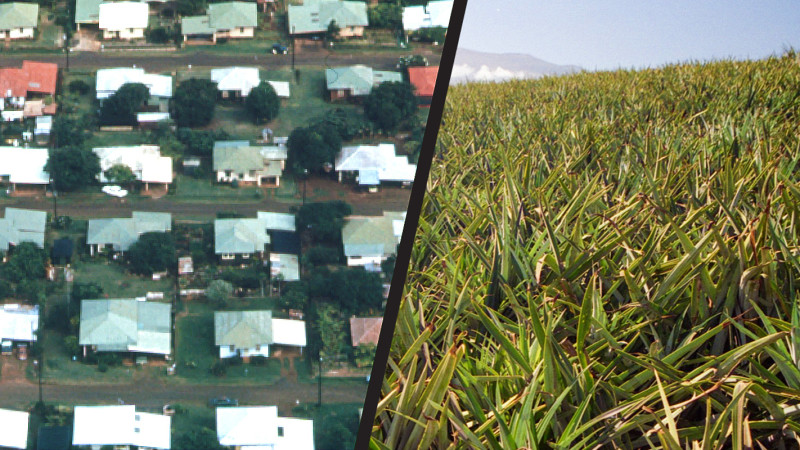
Development on the ‘Ewa Plain and in Central Oahu has created controversy over whether agricultural lands should be rezoned for housing projects. Proposed housing projects point toward building communities that help create jobs and provide housing for Hawai‘i residents. Agriculture can help increase Hawai‘i’s locally grown food stock, while also preserving open space.
Measles outbreaks linked to unvaccinated children on the mainland have many in Hawai‘i questioning whether our vaccination requirements are strong enough to prevent an outbreak here. Although several vaccinations are required to attend public schools, parents who believe the shots are dangerous or unnecessary can seek exemptions for religious and medical reasons.

What is life in Hawai‘i like for nearly 5,000 Muslims? They come from 42 different countries and are of different races and cultures. Some of these Muslim faithful are American-born citizens. This discussion explores the advantages and challenges of life in Hawai‘i as they practice their faith.

As Islanders see plans turn into reality for the modernization of Kaka‘ako, what thoughts come to mind? Is Kaka‘ako’s building boom of glass towers and other high -rises the right thing? Who will live there and will there be a sense of community in the re-invented district? Your questions and comments are welcome […]

INSIGHTS ON PBS HAWAI‘I will present early Hawai‘i reaction to PBS NEWSHOUR’s Democratic Presidential Debate between candidates Hillary Clinton and Bernie Sanders, presented live on Thursday from 4 to 6 pm on PBS Hawai‘i.
There’s a pitched war of words over a plan to downsize troops at two U.S. Army bases on Oahu, Schofield Barracks and Fort Shafter. The Chamber of Commerce of Hawai‘i is leading the charge for those opposed to the cuts, citing an enormous impact to Hawai‘i’s economy in both revenues and in military/civilian jobs.

Caregivers for those facing life-threatening illnesses are often unpaid nonprofessionals – partners, family members or friends – who provide essential emotional and physical care. Join the discussion on the next INSIGHTS ON PBS HAWAI‘I as four caregivers share their challenges as the lifeline of support for those confronting serious illnesses.
464 results found (showing 431 - 440)