
Last year, the Federal Department of Education praised Hawai‘i’s public school system for improving teacher training programs and providing better resources for struggling schools. But many public schools still face challenges, such as a shortage of teachers and, in some schools, a low graduation rate.
In 1993, President Bill Clinton signed a law apologizing for the overthrow of the Hawaiian Kingdom, fueling hopes that an independent Hawaiian nation would be recognized by the federal government. Twenty-two years later, sovereignty proponents continue to push for recognition in Congress, while new pathways toward nation-building emerge at home.
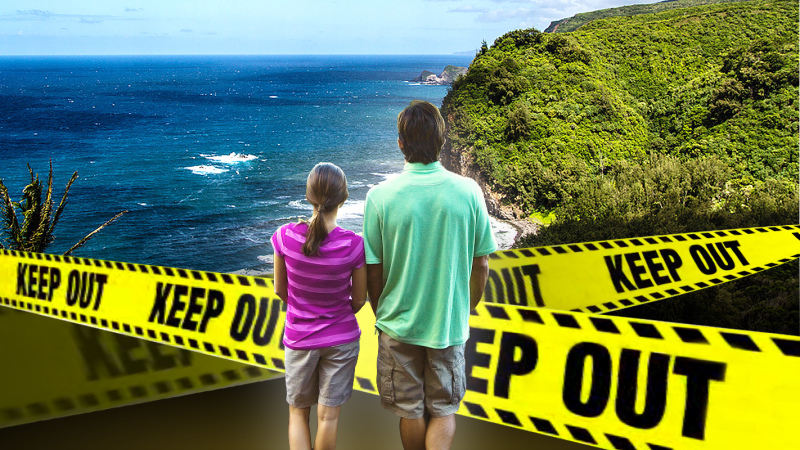
With our beautiful beaches, hiking trails and recreational areas, Hawai‘i is a paradise for residents and visitors who enjoy the outdoors. But should all hiking trails be accessible to the public? Can access to and along our shorelines be legally restricted? How accessible should our public lands be? Mahealani Richardson hosts the discussion.
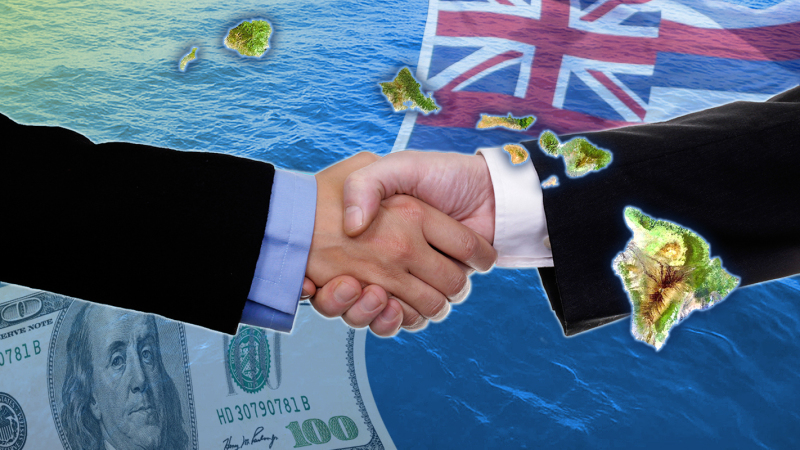
According to a new CNBC study, Hawai‘i is the worst state in which to do business. How can we improve our business climate, our infrastructure and our workforce to make Hawai‘i a more business-friendly state? Daryl Huff hosts the discussion.
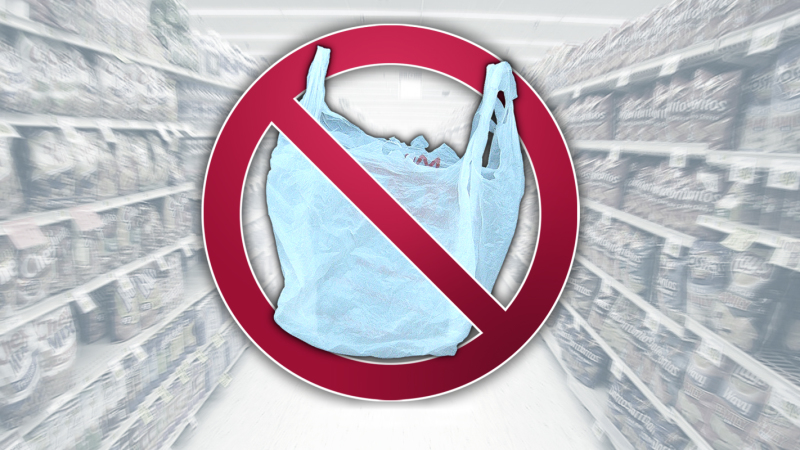
On July 1st, Honolulu will become the last county in the state to enforce a ban on certain types of plastic bags. The law addresses concerns by environmentalists who maintain that plastic bags clutter and damage our land and ocean.
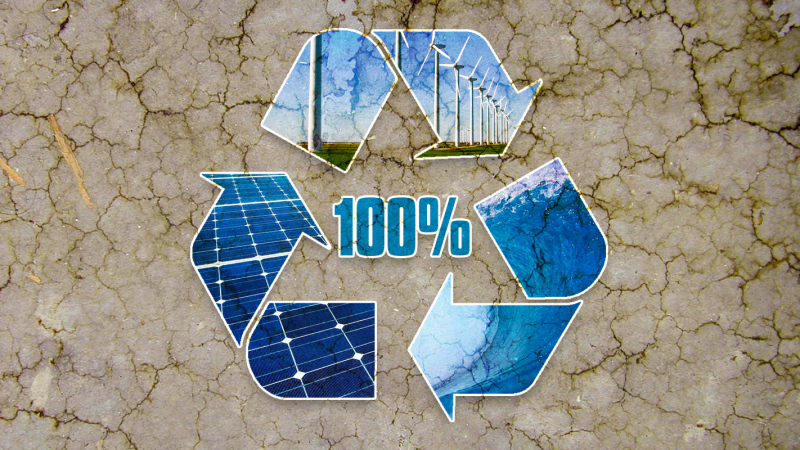
The state Legislature set a goal of 100% renewable energy by 2045. But weʻre currently the most fossil fuel dependent state in the nation, with billions of dollars of the State’s economy being spent each year on imported fuel.
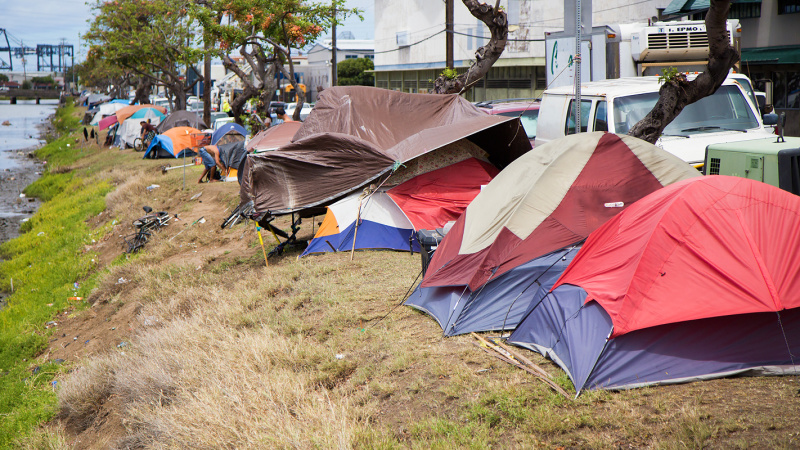
Efforts to deal with Oahu’s homeless population, such as moving them out of parks and off sidewalks, have only shifted them away from businesses, leading to more sidewalk tents in Kaka‘ako and Kapalama.

Federal and state mandates have compelled public schools to focus more time and resources on academic standards and less on the fine arts.

The last week of the 2015 legislative session included a flurry of final votes on many of the session’s biggest bills, including a $26 billion budget, a commitment to 100 percent renewable energy by 2045, a five-year extension on the rail tax for Honolulu residents, the creation of a statewide medical marijuana dispensary system, […]
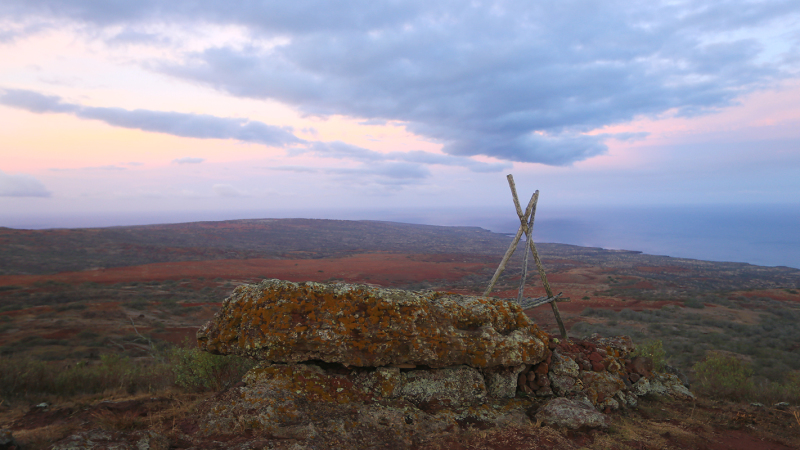
Kaho‘olawe, an island that many Hawaiians hold as sacred, has been a cultural and political touchstone since the 1970s. When the U.S. military handed over control of Kaho‘olawe to the state of Hawai‘i, unexploded bombs and erosion left a barren landscape that many to this day are working to replant and restore.
489 results found (showing 441 - 450)