CEO MESSAGE
Denialism is the practice of denying the existence, truth or validity of something, despite proof of strong evidence that is real, true or valid.
That could apply to nearly 15% of Americans, who according to a recent University of Michigan study, do not believe climate change is real. Alternatively, if you look at it from a completely different perspective, it could apply to nearly 85% of Americans who believe climate change is real.
Here at home, 70% of Hawai‘i residents say they are worried about climate change, while 30% say they are not. Regardless of where you stand on climate change, there are compelling reasons for everyone to care about the topic.
Hawai‘i is at the forefront of global warming discussions and studies. In 2018, Gov. David Ige signed three bills into law in an effort to reduce carbon emissions, including one that set a goal of making Hawai‘i a zero-emissions clean economy by 2045. Some called it overly ambitious, unnecessary and unrealistic, while others saw it as a commitment to urgently addressing a global crisis and transitioning to clean energy.
At PBS Hawai‘i, we understand one of the important roles we serve in the community is to provide a safe space for productive and balanced discussions and storytelling. When it comes to topics with intensely different views, like climate change, we see it as, “Mauka to Makai: Our Kuleana,” from the mountains to the sea, it is our responsibility to “go there.”
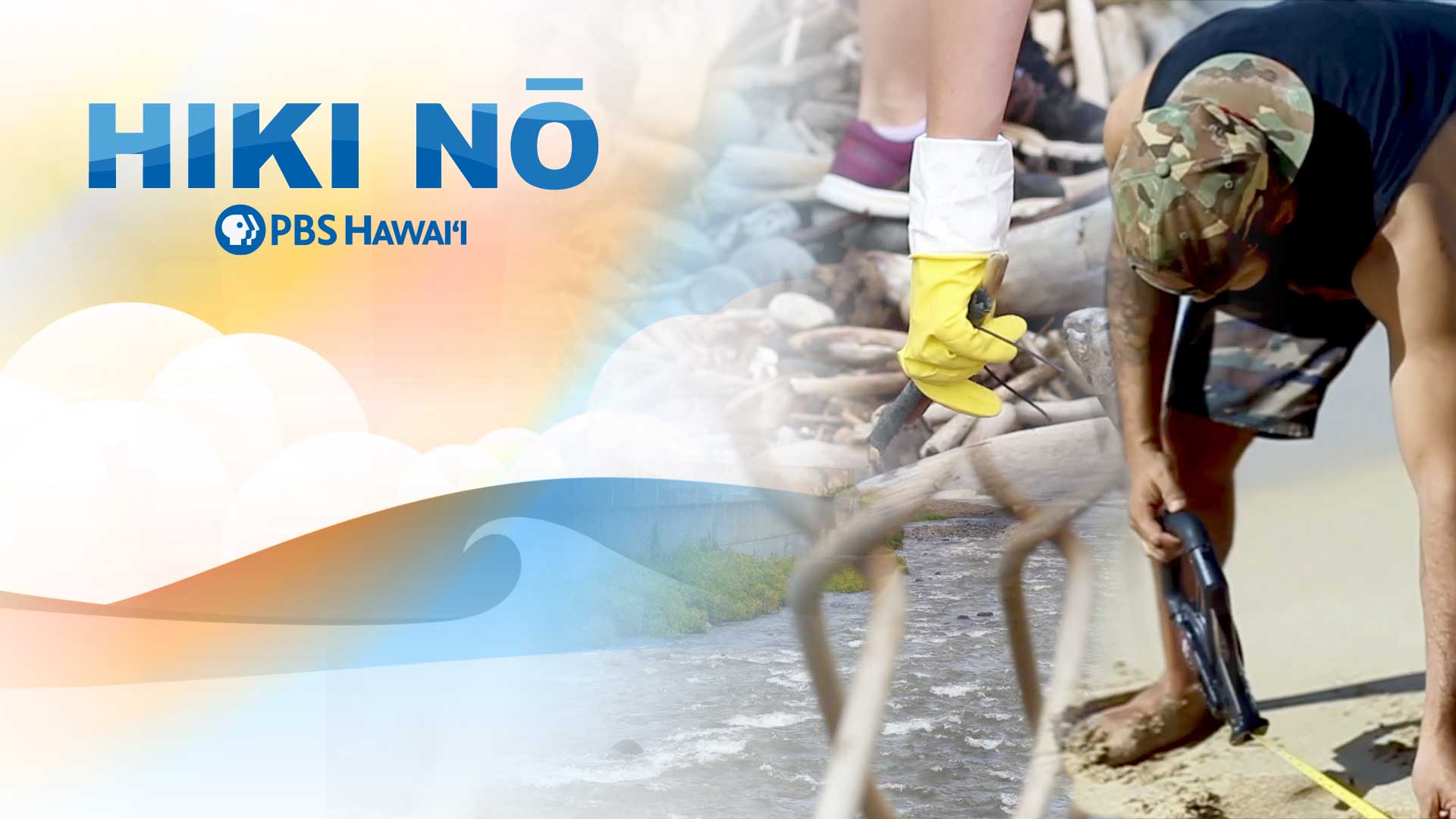
It starts with Hawai‘i’s youth. As stewards of the ʻāina, keiki have become vocal advocates for environmental preservation and action. HIKI NŌ on PBS Hawai‘i recognizes the importance of amplifying student voices. In an effort to empower youth and foster dialogue, we are asking student journalists from elementary, middle and high schools statewide, to focus on climate change as part of HIKI NŌ’s 2024 Spring Challenge. The student storytelling competition will provide a platform for students to share their perspectives and experiences and talk about the actions and solutions happening in their communities.
The competition culminates with a special broadcast on May 21, but our commitment to addressing the topic does not end there. Join us through 2024, as we share stories of how individuals and groups are working together to create solutions to challenges. From preserving forest reserves and saving native plant and animal species from extinction, to revitalizing our coral reefs, fishponds and agricultural wetlands. Respectfully talking about the issues that affect lives is everyone’s kuleana, especially when we do not agree.
When someone asks, “What state do you live in?” We should proudly answer Hawai‘i. Not denial.
With gratitude and appreciation,

Ron Mizutani and the entire PBS Hawai‘i family