
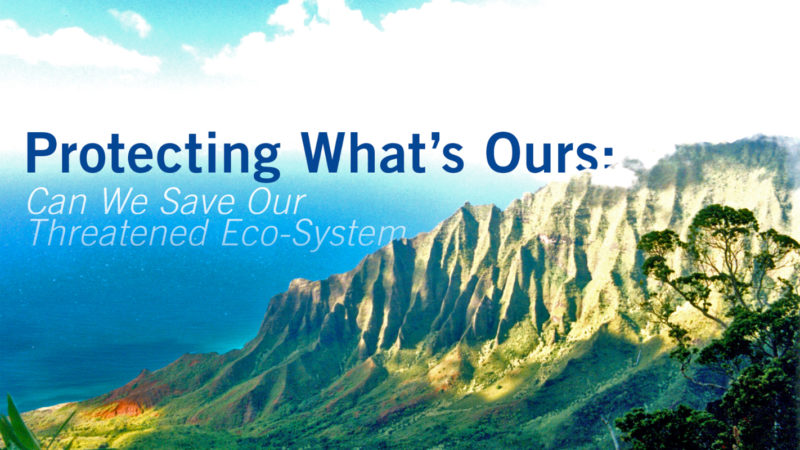
Home to 10,000 threatened species and 44 percent of the rare plants in the nation, the Hawaiian Islands are known as the endangered species capital of the world. What will it take to keep these threatened species from becoming extinct? INSIGHTS ON PBS HAWAI‘I explores the challenges to safeguard Hawai‘i’s fragile ecosystems.

The Honolulu Zoo lost its accreditation after the Association of Zoos and Aquariums determined that the zoo receives inadequate funding from the City and community partners, and suffers from inconsistent leadership and political wrangling. City leaders vow to turn things around.
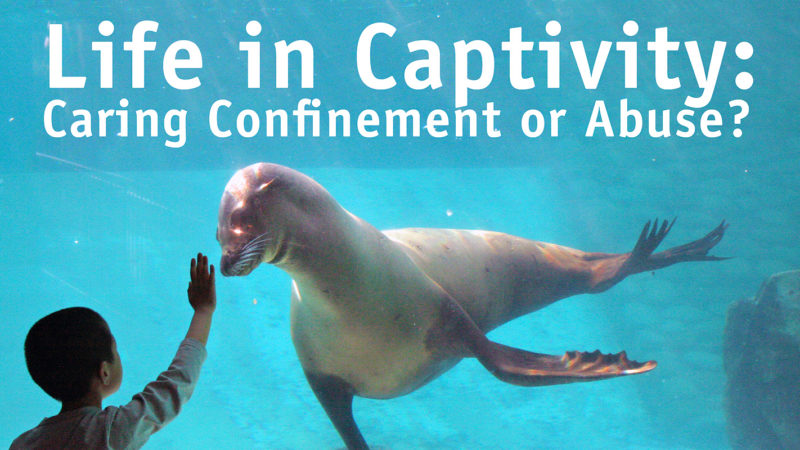
With news of another dolphin encounter program coming to Hawai‘i, INSIGHTS ON PBS HAWAI‘I examines the debate over marine mammals’ life in captivity. Is it right to hold marine mammals in captivity for entertainment or research purposes? Dolphins, sea lions, and seals are mainstay attractions at venues across the country.
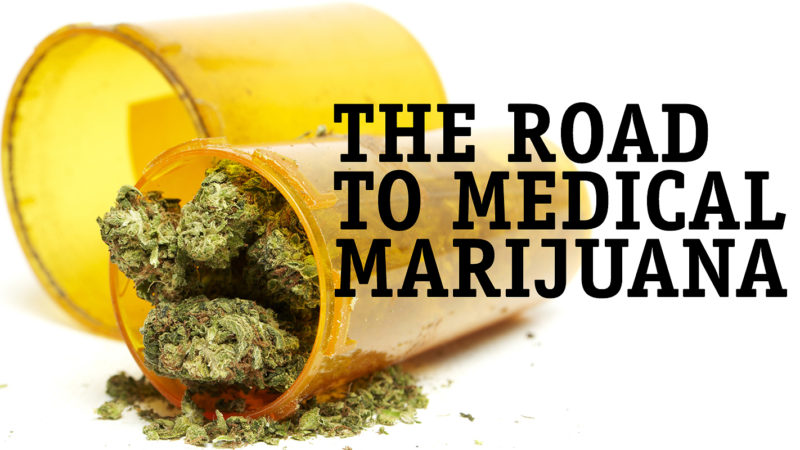
Hawai‘i legalized medical marijuana in 2000, but it’s been a long and bumpy road to establishing a dispensary system. The latest delay came on April 13, with the State Health Department saying it needs more time to access criminal histories of finalists for licenses to grow and sell medical marijuana.
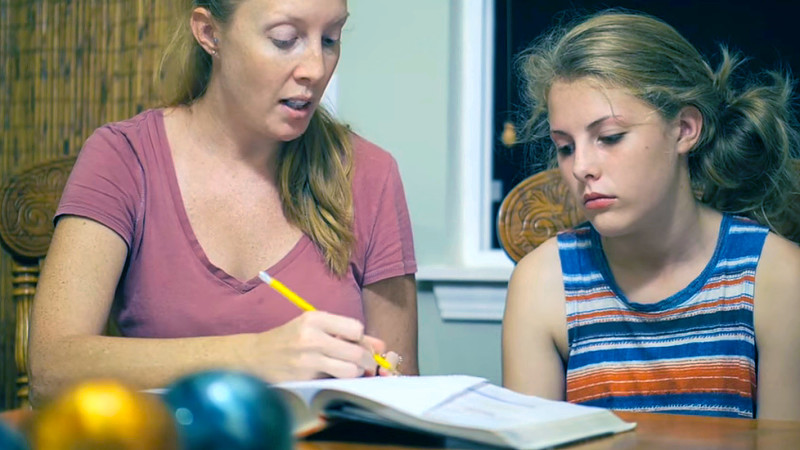
Nearly 6,000 children are being homeschooled in Hawai‘i. INSIGHTS ON PBS HAWAI‘I takes a look at parents’ different reasons for not sending their children through the school system. Guests will also discuss the pros and cons of homeschooling.
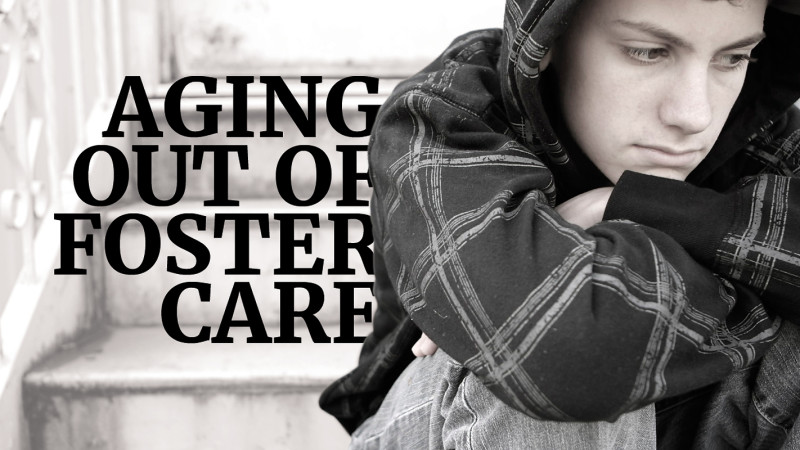
Hawai‘i foster children who “age out” of the foster care system at 18 may find themselves unprepared to handle life on their own as adults. Too often, they end up homeless or jailed. Former foster children and a foster parent are scheduled to appear and share their experiences.
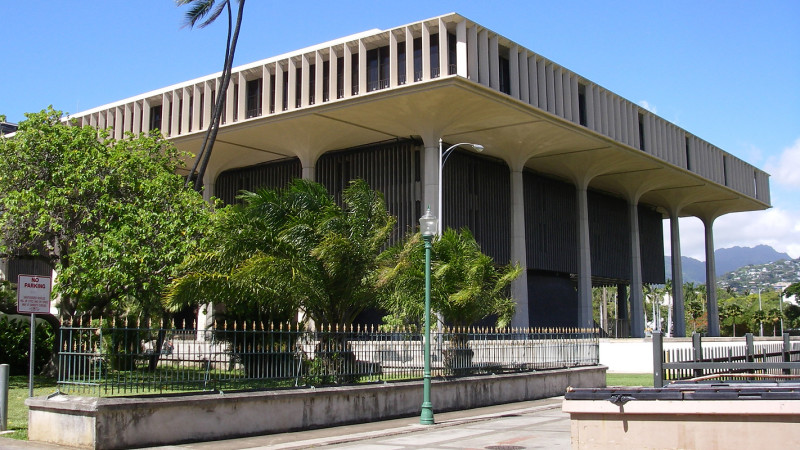
State lawmakers have passed the halfway point in the 2016 legislative session, marking the key juncture in the session known as “crossover.” This is when surviving House bills cross to the Senate for consideration, and vice versa.

Hawai‘i is nearly 900 doctors short of what we need to meet our medical needs, according to the University of Hawai‘i’s John A. Burns School of Medicine. This shortfall is expected to widen to 1,500 in the next five years.

Following the broadcast premiere of PBS HAWAI‘I PRESENTS Haleakala: A Trek for Dignity, several individuals featured in the documentary will discuss mental health, and local resources available to promote mental well-being.
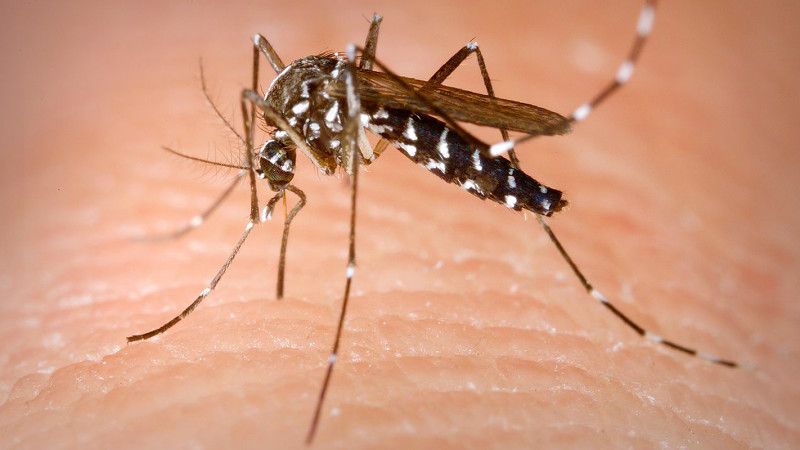
Since September, at least 145 cases of dengue fever have been confirmed on Hawai‘i Island, making it one of the biggest outbreaks in state history. The mosquito-borne virus causes high fevers, headaches, joint pain and rash, and may require hospitalization.
464 results found (showing 391 - 400)